
Types of espresso drinks all start with the same thing, a shot of espresso, and differ in what is added: more water, a little milk, a lot of milk, or something sweet. Once you know the four groups, any café menu makes sense. The chart below shows what goes into 12 of the most common drinks, and the sections cover more than 25, including iced and regional versions.
Two things separate most drinks: the ratio of espresso to milk, which sets how strong the coffee tastes, and the number of shots, which sets the caffeine. Recipes vary between countries and cafés, so the traditional Italian version is noted where it differs from what you get in the US.
The short answer
| Drink | What’s in it | Typical size |
|---|---|---|
| Ristretto | A short, concentrated shot | 15–20 ml |
| Espresso | A single shot | about 25–30 ml |
| Doppio | A double shot | about 50–60 ml |
| Lungo | A long shot, more water through the coffee | 50–60 ml |
| Americano | Espresso plus hot water | 8–20 fl oz at Starbucks |
| Macchiato | Espresso with a spot of milk foam | 1–2 oz |
| Cortado | Espresso plus about equal warm milk | about 4 oz |
| Flat white | 1 or 2 shots, steamed milk and thin microfoam | 8 oz or less |
| Cappuccino | Espresso, steamed milk and thick foam | 5–6 oz |
| Latte | Espresso plus lots of steamed milk | 8–12 oz |
| Mocha | Latte plus chocolate | 8–12 oz |
| Affogato | Espresso poured over ice cream | a dessert cup |
Espresso drinks chart
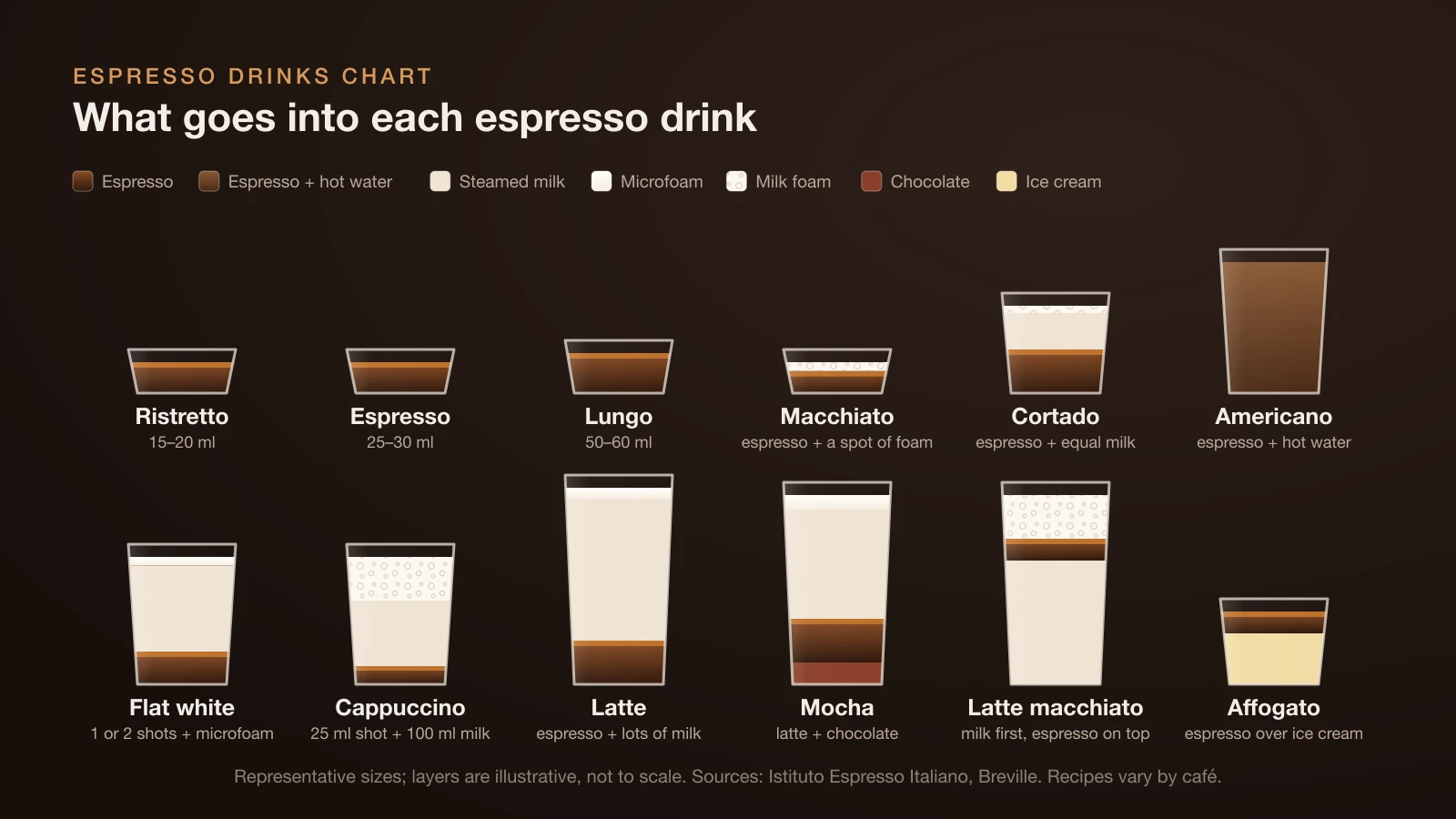
The chart shows what goes into each drink. Glass sizes are representative and the layers are illustrative, not drawn to scale. Read it from left to right: the drinks get longer and milkier as you go. The bigger the espresso layer compared with the rest of the glass, the stronger the coffee flavor.
Straight espresso drinks
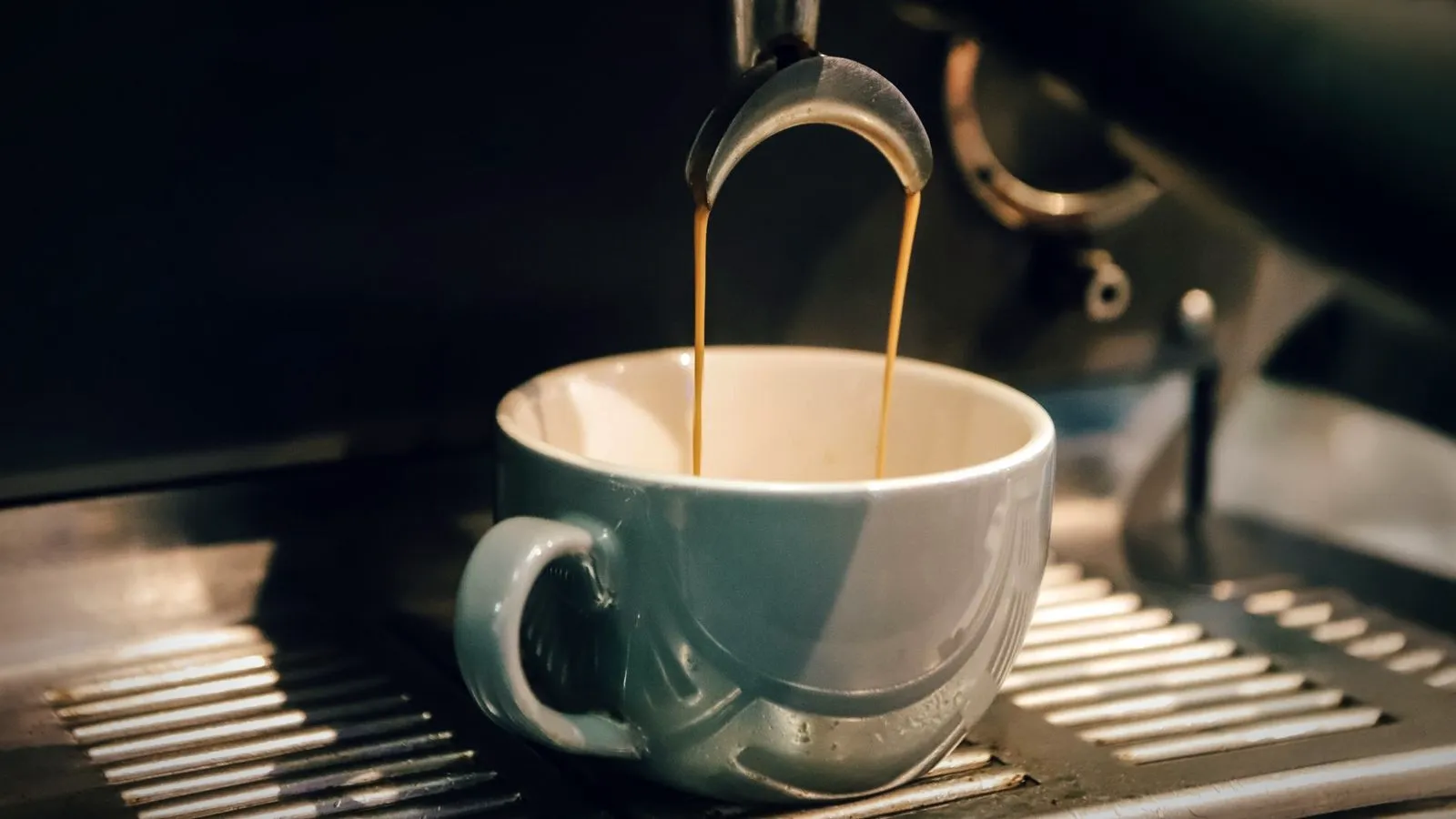
Espresso
The base of every drink on this list. Italy’s espresso institute defines a certified Italian espresso as about 25 ml. In the US, a single shot is usually about 1 ounce (30 ml), the size World Barista Championship rules have used to define an espresso.
Doppio
Italian for “double”. A doppio is two shots, about 2 ounces, and it is the default espresso in many American cafés. Our doppio guide covers it on its own.
Ristretto
A “restricted” shot. The barista uses the same amount of coffee but stops the shot early, at roughly half the usual volume; Breville’s machine manual puts a ristretto at about 15 ml. The result is thicker, sweeter and more intense, with less bitterness.
Lungo
The opposite of a ristretto: more water runs through the same coffee, producing a longer, thinner and more bitter shot. It is not the same as an Americano, where water is added afterwards. Our ristretto vs long shot guide compares the two side by side.
Espresso with water
Americano
Espresso topped up with hot water. It tastes closer to drip coffee but with espresso’s character, and the amount of water varies from café to café. Poured over ice, it becomes an iced Americano, one of the easiest espresso drinks to make at home. Our guide to what an Americano is covers the drink in more depth.
Long black
The Australian and New Zealand version: the espresso is poured on top of the hot water, which keeps more of the crema on the surface. Breville’s machine manual describes it as a single or double espresso extracted over 120–180 ml (4–6 oz) of hot water.
Red eye
A cup of drip coffee with a shot of espresso added, for when regular coffee is not enough. Some chains call a version with two shots a “black eye”. Our guide to coffee with a shot of espresso covers the red eye, black eye and dead eye.
Espresso with a little milk
Macchiato
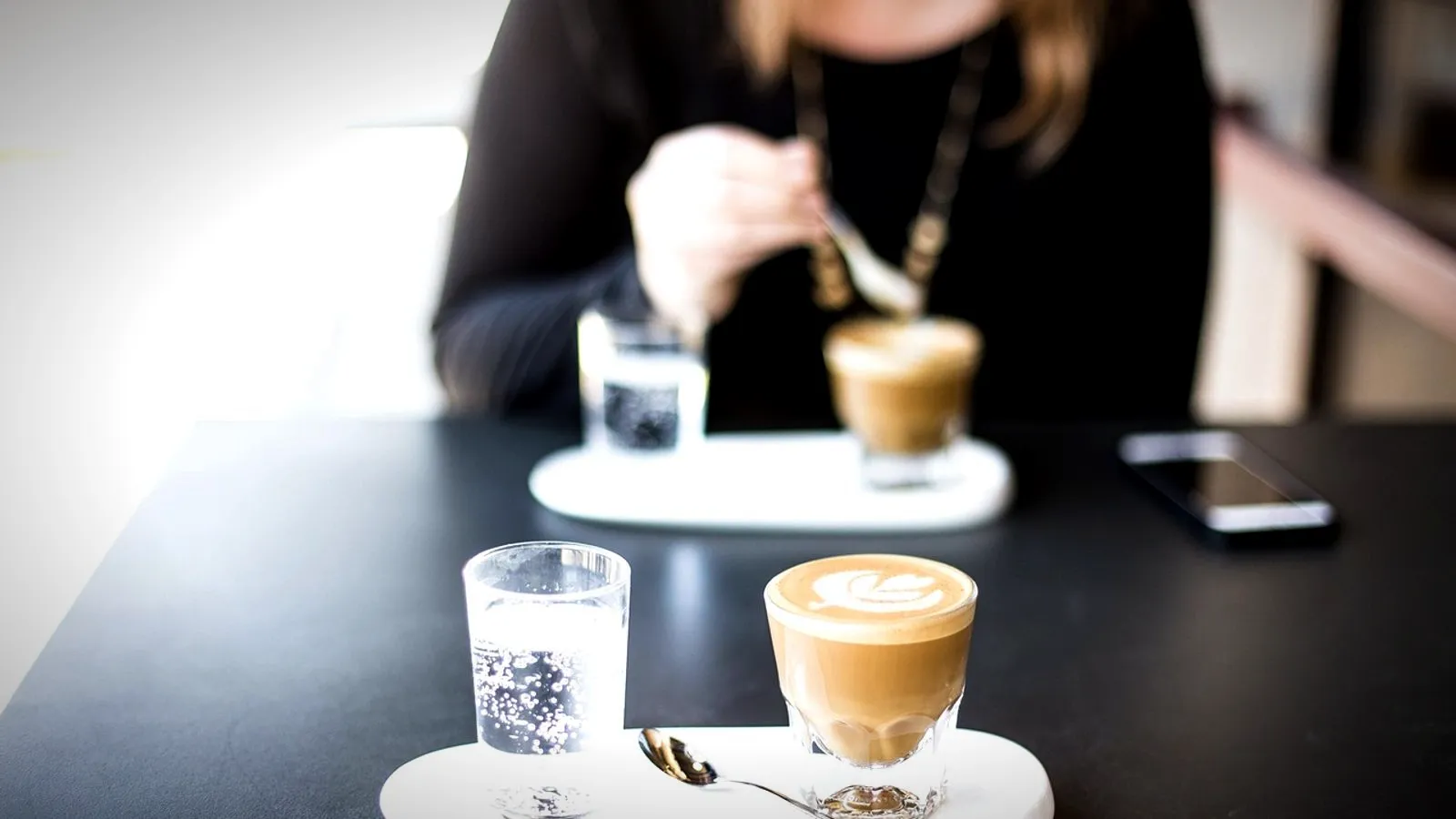
Macchiato means “stained” or “marked”. An espresso macchiato is a shot marked with a small spoonful of milk foam. It is the most espresso-forward milk drink. The large, sweet caramel macchiato at US chains is a different drink, closer to a latte macchiato. Our macchiato vs latte guide clears up the confusion.
Cortado
From Spanish cortar, “to cut”. A cortado is espresso cut with roughly the same amount of warm milk, with little or no foam. It is smooth but still strongly coffee-flavored, usually around 4 ounces. See cortado vs latte for how it compares with a bigger milk drink, or our cortado guide for the drink on its own.
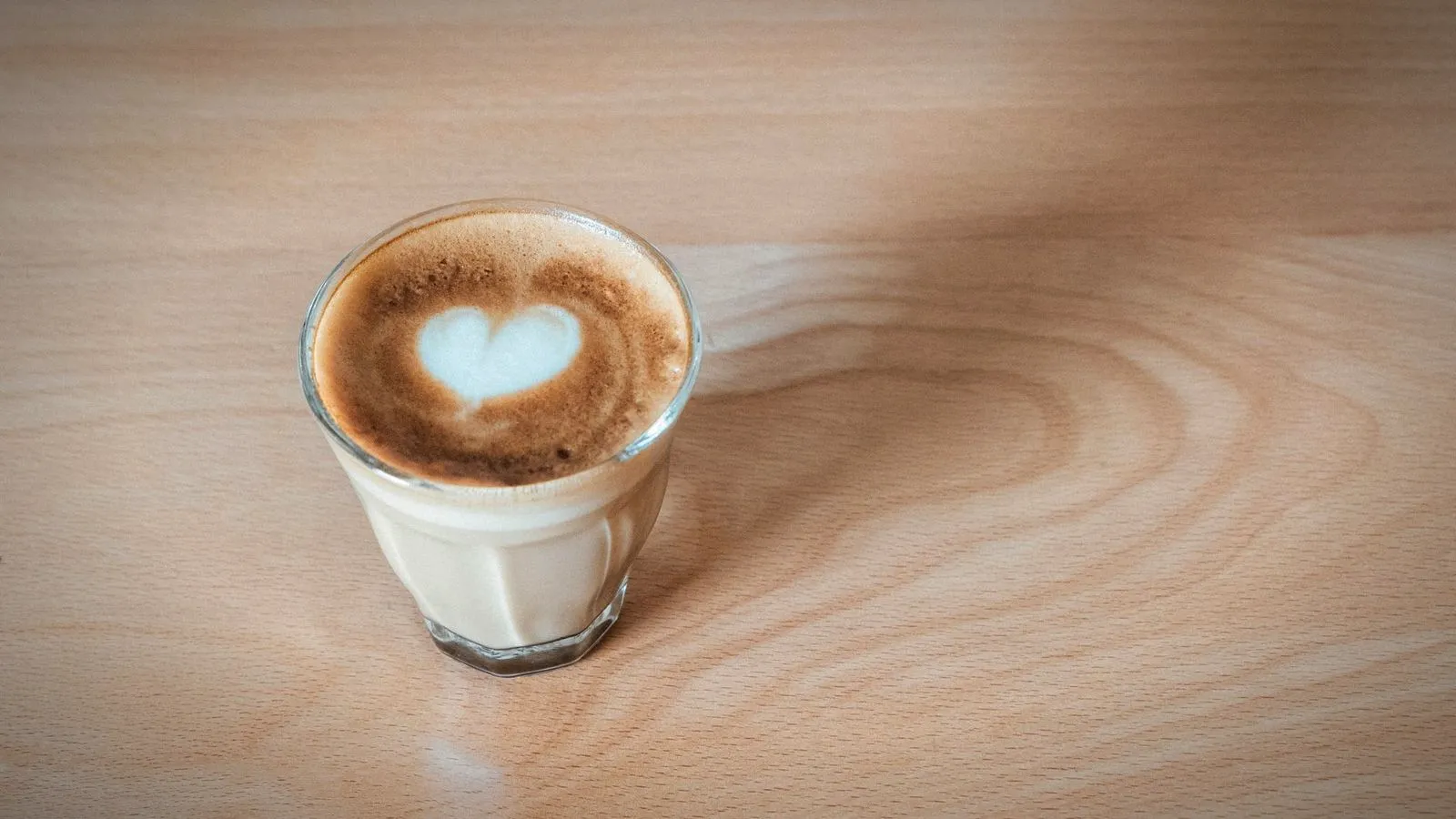
Piccolo
A small, strong milk drink common in Australian cafés: espresso topped with silky steamed milk and a thin layer of microfoam, served in a small glass or demitasse. Breville’s recipe steams the milk to 60–65 °C (140–150 °F), the same range used for a latte. Think of it as a mini latte that still tastes clearly of coffee.
Gibraltar
A cortado served in a 4.5-ounce Gibraltar glass, which Libbey sells as a cortado glass. Some US cafés list the drink under the glass’s name, but it is essentially a cortado.
Espresso with more milk
Flat white
Espresso, often a double, with steamed milk and a thin, velvety layer of microfoam about a quarter inch (6 mm) thick. Breville suggests a single or double shot in a cup no larger than 8 oz; with less milk than a latte, it tastes stronger. Australia and New Zealand both claim to have invented it.
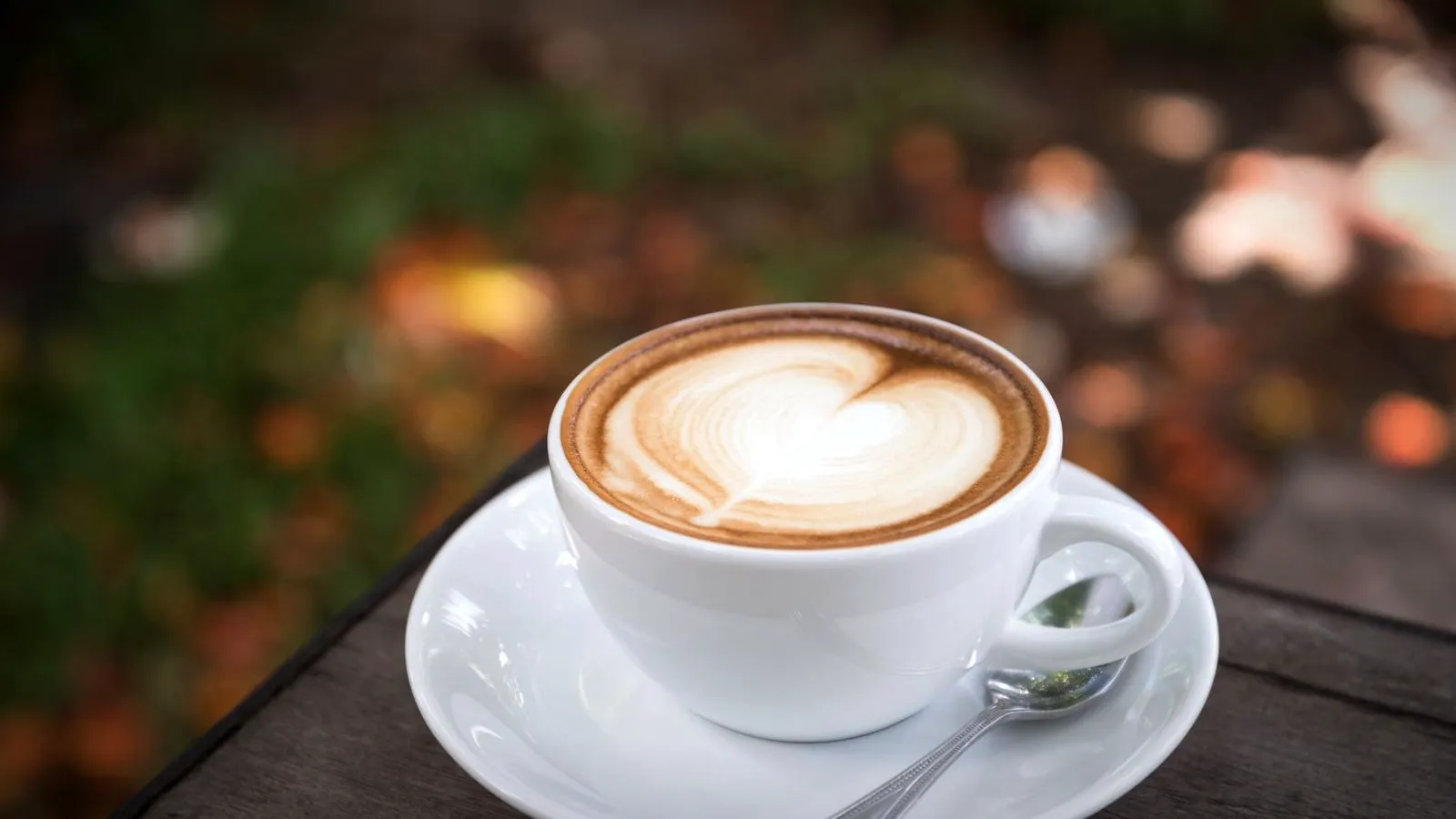
Cappuccino
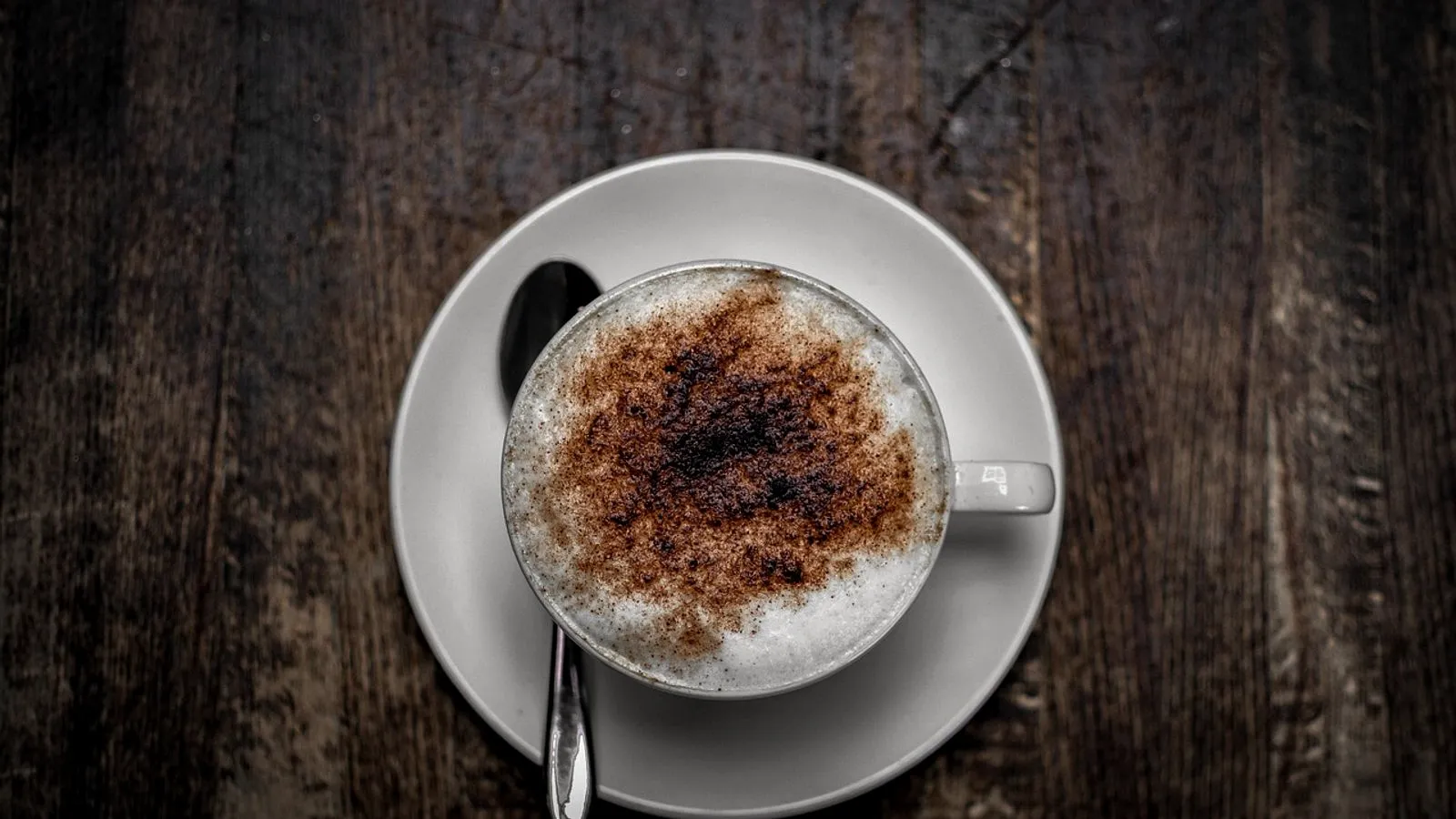
Espresso with steamed milk and a thick cap of foam. The Italian espresso institute’s reference cappuccino is 25 ml of espresso plus 100 ml of steamed milk, and World Barista Championship rules called for a 150–180 ml cappuccino with at least 1 cm of foam.
The “one-third espresso, one-third milk, one-third foam” rule is a helpful picture, not a formal standard. US chains often serve much larger versions. Our cappuccino vs espresso and drip coffee comparison covers its caffeine and strength, and our guide to what a cappuccino is covers the drink in full.
Despite the similar name, a Starbucks Frappuccino is a blended iced drink, not a cold cappuccino; see cappuccino vs Frappuccino.
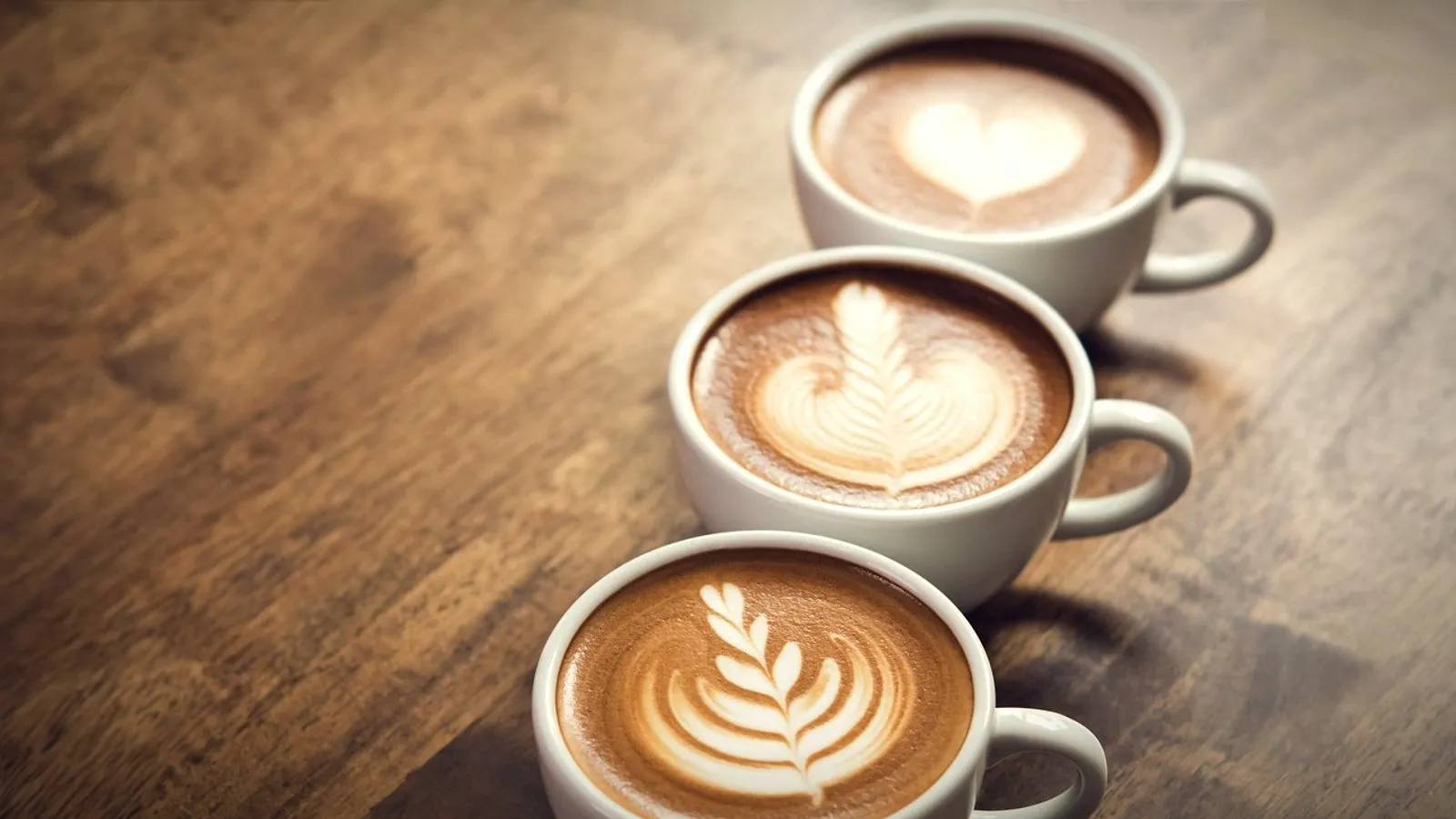
Latte
Espresso with a lot of steamed milk and a thin layer of microfoam, usually 8 to 12 ounces. It is the mildest and creamiest espresso drink and the usual base for flavored syrups. Latte is simply Italian for milk, so in Italy ask for a caffè latte; ordering a “latte” gets you a glass of milk.
To make one yourself, follow our guide on how to make a latte. Popular variations include the Spanish latte, sweetened with condensed milk, and the dirty chai latte, a spiced chai latte with a shot of espresso.
Latte macchiato
Here the milk comes first. Steamed milk goes into a tall glass and a shot of espresso is poured in slowly, “staining” the milk and forming layers. It tastes milkier than a latte.
For ratios and steaming tips for all of these, see our guide to espresso with milk.
Sweet and dessert espresso drinks
Mocha
A latte with chocolate. Espresso, chocolate sauce or cocoa and steamed milk, sometimes finished with whipped cream. Cocoa adds a little caffeine of its own. See mocha vs latte for how the two compare, and macchiato vs mocha for the mocha next to the smallest milk drink.
Affogato
Italian for “drowned”. A scoop of vanilla or fior di latte gelato with a hot shot of espresso poured over it. In Italy it is served as a dessert rather than a coffee.
Espresso con panna
A shot of espresso topped with a spoonful of whipped cream. It is richer than a macchiato and a good introduction to straight espresso. A strip of lemon peel is another simple garnish, and it turns a shot into an espresso romano.
Iced espresso drinks
Iced espresso drinks pour fresh espresso over ice and cold milk or water, so nothing needs to be steamed. Most hot drinks have an iced twin, and a few exist only cold:
- Iced latte: cold milk and ice in a tall glass with a double shot poured over the top and swirled in. Breville’s recipe grinds 18–22 g of coffee for that double shot.
- Iced Americano: espresso topped with cold water and ice. Our iced Americano guide covers ratios and glass sizes.
- Iced caramel macchiato: vanilla syrup and cold milk over ice with the espresso floating on top; see our caramel macchiato recipe for hot and iced versions.
- Iced shaken espresso: Starbucks shakes espresso with ice and sweetener, then tops it with a splash of milk. A Grande uses three shots.
- Espresso shakerato: the Italian original, espresso shaken hard with ice and a little sugar syrup until foamy, then strained, with no milk. See espresso shakerato.
Cold milk does not hold a stiff foam cap the way steamed milk does, which is why an iced cappuccino is rare on traditional menus.
What are the main types of espresso drinks?
Every drink above fits into one of four groups:
- Straight espresso: ristretto, espresso, doppio, lungo.
- Espresso with water: Americano, long black, red eye.
- Espresso with milk: macchiato, cortado, flat white, cappuccino, latte, latte macchiato.
- Sweet or dessert drinks: mocha, affogato, con panna.
Within the milk group, the drinks line up from strongest to mildest: macchiato, cortado, flat white, cappuccino, latte, latte macchiato.
Espresso drinks around the world
Espresso drinks differ between countries mainly in cup size, sweetness and how the milk is served. Italy keeps drinks small and simple, Australia and New Zealand built a café culture on double shots, and the US serves larger, often flavored versions. Several countries also have drinks you rarely see elsewhere:
| Country | Drink | What it is |
|---|---|---|
| Italy | Caffè corretto | Espresso “corrected” with a splash of liquor such as grappa |
| Italy | Marocchino | Espresso with cocoa powder and milk foam in a small glass |
| Spain | Café con leche | Espresso with a large amount of hot milk, usually at breakfast |
| Spain | Café bombón | Espresso layered over sweetened condensed milk in a glass |
| Portugal | Galão | Espresso with plenty of foamed milk in a tall glass |
| Cuba | Café cubano | Espresso sweetened with sugar whipped into a pale foam |
| Cuba | Cortadito | A café cubano cut with a little steamed milk |
| Australia | Piccolo, flat white, long black | Small, strong milk drinks and espresso over water |
| United States | Red eye, caramel macchiato | Drip coffee plus a shot; sweet, layered milk drinks |
In Italy, milky coffee such as cappuccino is mostly a breakfast drink, and “latte” alone means milk. A US cappuccino or latte can be several times the volume of an Italian one, so when a drink surprises you, the cup size is usually the reason. The condensed-milk idea behind the café bombón also appears in the Spanish latte.
How much caffeine is in each type of espresso drink?
The caffeine in an espresso drink depends on the number of shots, not on the milk, water or syrup. A large latte and a small cappuccino with the same two shots have about the same caffeine. Starbucks’ Grande (16 fl oz) drinks show this clearly:
| Starbucks drink | Shots | Caffeine |
|---|---|---|
| Espresso, doppio (1.5 fl oz) | 2 | 150 mg |
| Cappuccino | 2 | 150 mg |
| Caffè Latte | 2 | 150 mg |
| Caramel Macchiato | 2 | 150 mg |
| Caffè Mocha | 2 | 175 mg |
| Flat White | 3 ristretto | 195 mg |
| Caffè Americano | 3 | 225 mg |
| Iced Shaken Espresso | 3 | 225 mg |
Starbucks counts about 75 mg per shot; the mocha comes out higher because chocolate adds a little caffeine. Home shots are usually a little lower, as our guide to caffeine in an espresso shot explains. For latte sizes in detail, see latte caffeine.
Which espresso drink should you choose?
Choose an espresso drink by how much coffee flavor you want and how much milk you enjoy; the table matches common preferences to the drinks that fit them.
| If you want | Order | Why it fits |
|---|---|---|
| Pure coffee flavor | Espresso or ristretto | No dilution; the ristretto is sweeter and thicker |
| Strength with a little softness | Macchiato, cortado or piccolo | A small amount of milk takes the edge off |
| Milky coffee that still tastes of espresso | Flat white or cappuccino | Less milk than a latte, more texture |
| Something mild and creamy | Latte or latte macchiato | Mostly steamed milk |
| A large black coffee | Americano or long black | Espresso flavor at drip-coffee volume |
| Something cold | Iced latte, iced Americano or shakerato | Espresso over ice, nothing to steam |
| Dessert | Affogato, mocha or con panna | Ice cream, chocolate or whipped cream |
| More caffeine | Any drink with an extra shot | Caffeine follows the shots, not the cup |
To make these drinks at home, start with how to use an espresso machine, then match each drink to the right cup with our guide to ceramic espresso cups.
The bottom line
There are dozens of espresso drinks, but they are all variations on four ideas: espresso on its own, espresso with water, espresso with milk, and espresso as dessert. The amount of milk and foam, and the size of the cup, separate a macchiato from a cortado or a cappuccino from a latte, while the number of shots sets the caffeine. Use the chart as a guide, and expect sizes and recipes to vary from one country and café to the next.
Sources
- Istituto Espresso Italiano: Certified Italian Espresso and Cappuccino (about 25 ml espresso; cappuccino with 25 ml espresso + 100 ml steamed milk)
- World Coffee Events: 2015 World Barista Championship Rules and Regulations (archived; espresso 1 fl oz, 30 ml ± 5 ml; cappuccino 150–180 ml with at least 1 cm of foam)
- Breville: Barista Express BES875 instruction book (ristretto about 15 ml; long black over 120–180 ml of hot water), Piccolo recipe (small glass or demitasse, milk at 140–150 °F), Iced latte recipe (cold milk, ice, double shot from 18–22 g), How to make a flat white at home (single or double shot, cup of 8 oz or less, microfoam about a quarter inch thick, claimed by Australia and New Zealand) and Latte recipe (“latte” means milk)
- Starbucks menu and nutrition pages: Espresso, Cappuccino, Caffè Latte, Caramel Macchiato, Caffè Mocha, Flat White, Caffè Americano and Iced Shaken Espresso (Grande shots and caffeine, drink descriptions; Caffè Americano sizes 8–20 fl oz)
- Libbey: Gibraltar DuraTuff cortado glasses, 4.5 oz (glass size, sold for cortados)